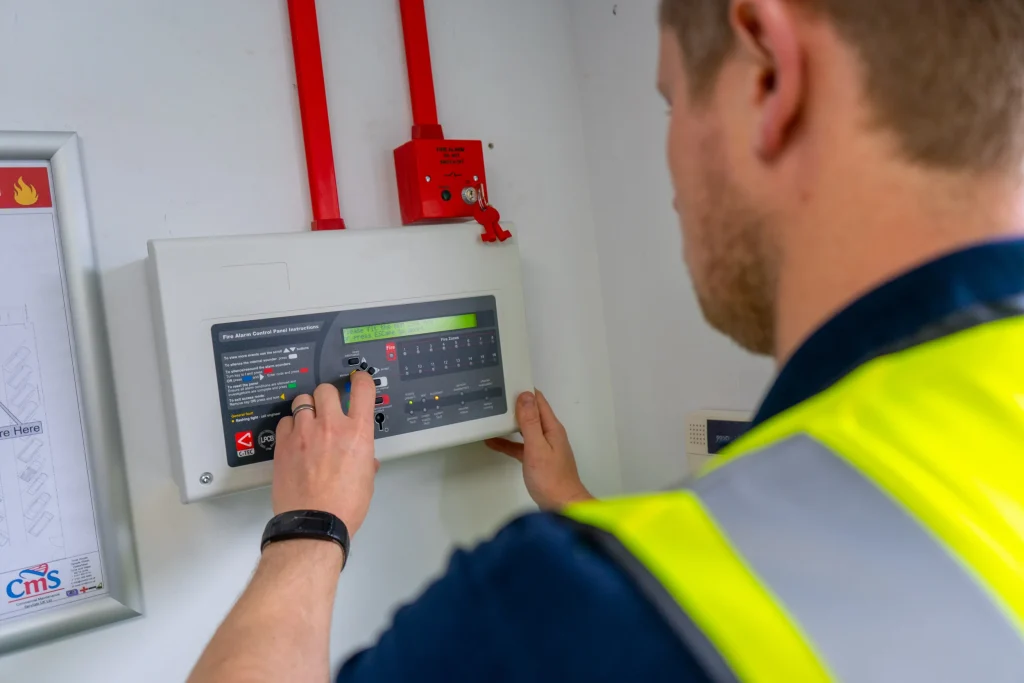

Emergency Light Testing

Emergency light testing is essential for building safety. These tests ensure emergency lights function correctly during power outages, helping people evacuate safely. Regular testing is also crucial for meeting legal standards. In this article, you will learn the importance of emergency light testing, the types of tests, and how to perform them.

Key Takeaways:

  • Regular testing of emergency lighting systems is crucial for ensuring safety and compliance with fire safety regulations, specifically the BS 5266 standards.
  • Emergency light tests, including monthly flick tests and annual duration tests, are needed to confirm the functionality of lighting during power outages for effective evacuation.
  • Choosing accredited professional services for emergency lighting installation and maintenance ensures adherence to legal requirements and enhances overall safety in commercial buildings.

167-169 Great Portland Street, London, England, W1W 5PF

01322 586 500

martin@approvedcompliance.co.uk

Conducting Emergency Light Tests

Conducting emergency light tests involves preparation, execution, and documentation. The first step is promptly replacing burned-out or malfunctioning bulbs to maintain effective emergency lighting. This ensures the system is always ready to provide adequate illumination during emergencies.

Preparing for the Test

Preparing for the test involves gathering appropriate tools and ensuring everything is in place for an effective test. Necessary tools include a key-switch or test button, a flashlight for visibility, and a logbook for recording results.

Performing the Test

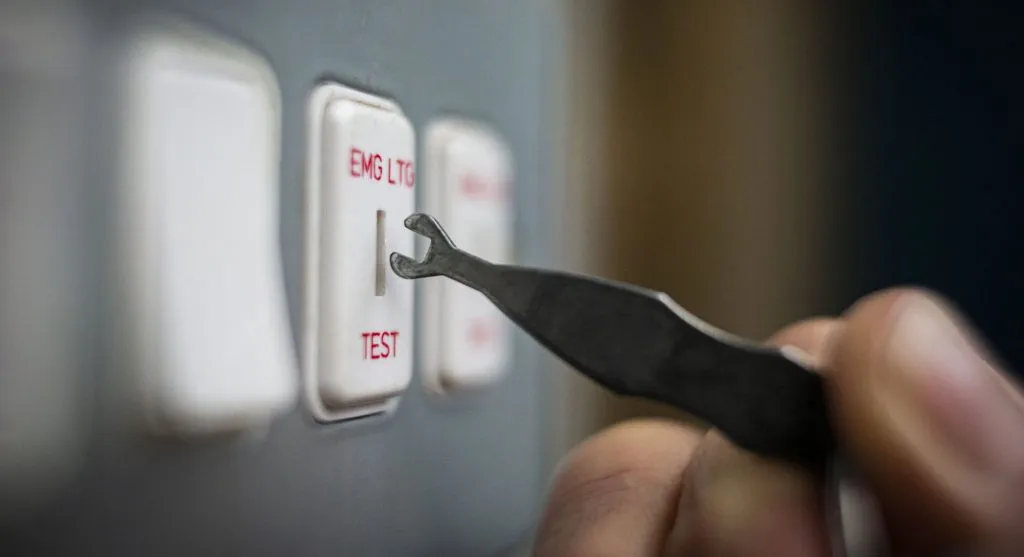
Performing the test involves simulating a mains power failure to check if the emergency lights have been switched on correctly. This can be done using a key-switch or manual test button.

Recording Results

Recording test results is crucial for maintaining compliance with safety regulations. A logbook tracks testing, maintenance, and inspections. It should clearly indicate test types, outcomes, and any corrective actions taken.

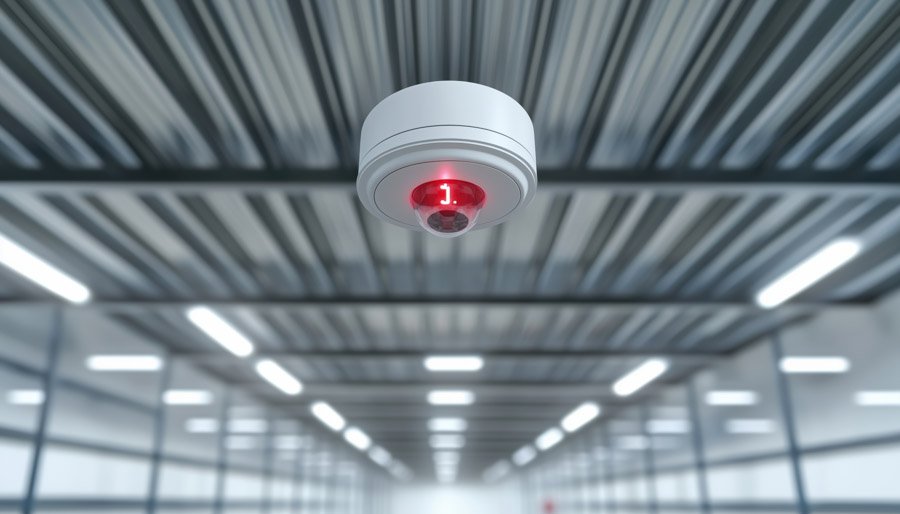
Legal Requirements

Fire safety regulations, including the Regulatory Reform (Fire Safety) Order 2005, mandate that businesses install emergency lighting on their business premises. Building owners must ensure these systems are functional to avoid legal repercussions. Regular emergency lighting checks are essential for maintaining compliance with these regulations, ensuring that the systems are operational and effective.

Selecting professional emergency lighting services can help ensure compliance with legal standards and the effective operation of the system.

Maintaining Compliance with BS 5266

Compliance with BS 5266 is essential for the safety and legal standing of any commercial building. Key points include:

  • BS 5266-1 requires that emergency lighting provides adequate illumination for escape routes and for identifying firefighting equipment.

  • Non-compliance with these standards can result in significant legal risks.

  • Scheduled maintenance helps identify issues early and extends equipment lifespan.

Regular inspections and maintenance checks ensure compliance with safety standards in accordance with compliance involves conducting full surveys and inspections as outlined by BS EN 50172:2004 and BS 5266-8:2004.

Our best services

Our professional Fire Risk Assessments provide a thorough evaluation of your property to identify hazards, recommend preventive measures, and ensure full compliance with current fire safety regulations. 

Fire Risk Assessment

Inspection, evaluation and the development of a comprehensive risk assessment report.

Fire Alarm Servicing

Regular inspection, testing, and maintenance of fire alarm systems to ensure they compliance.

Fire Door Surveys

Inspection of fire doors to ensure they are functioning correctly and meet safety standards.

PAT Testing

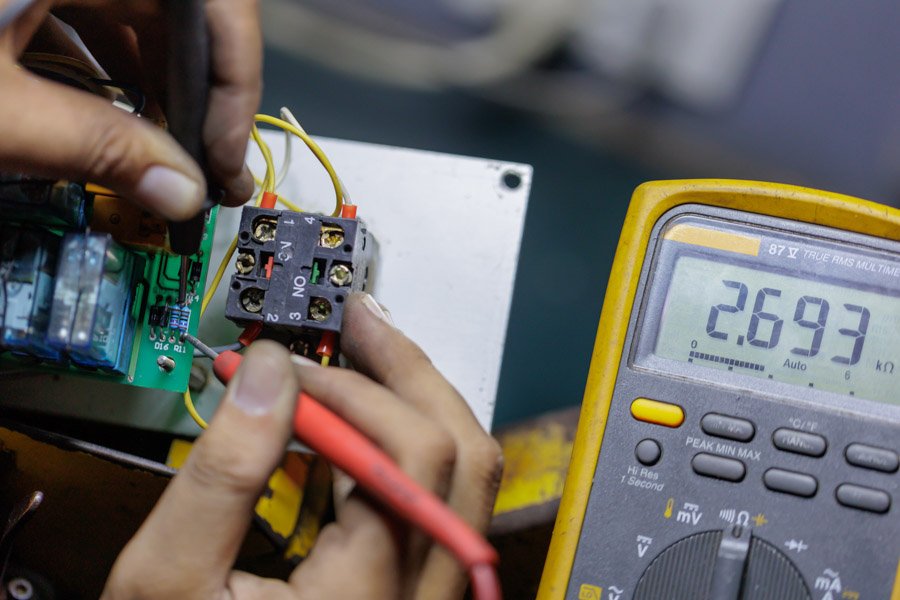
PAT Testing (Portable Appliance Testing) ensures electrical appliances and equipment are safe to use.

Fire Extinguisher

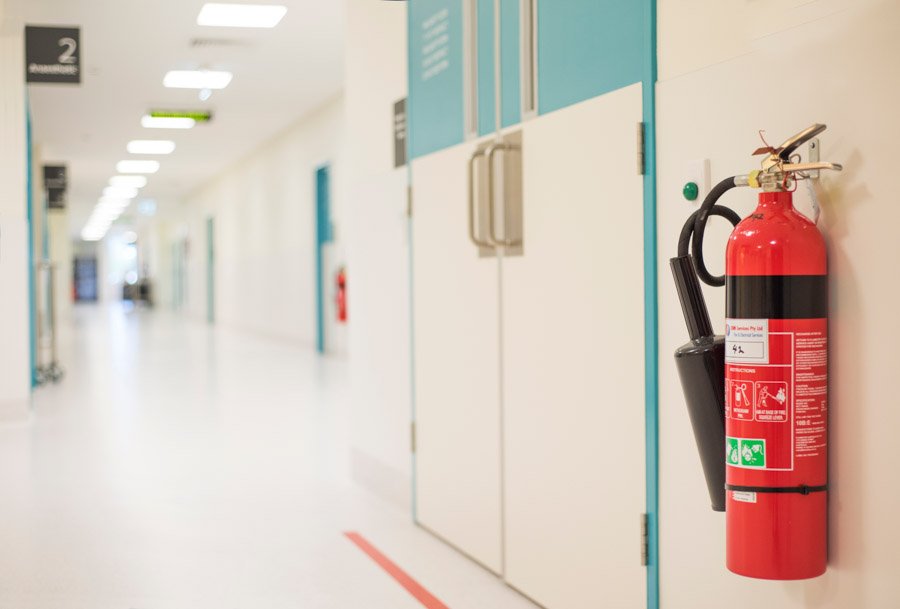
Installation, maintenance, and inspection of fire extinguishers to ensure they are compliant with fire safety regulations.

Emergency Testing

Emergency Light Testing ensures that emergency lighting systems are fully functional and compliant with safety regulations.

Several methods are available for testing emergency lighting, each with its own advantages. The most common methods include manual tests, self-tests, wireless addressable tests, and wired DALI addressable tests. Each method has its own unique approach to ensuring that emergency lighting systems are functional and reliable. For example, self-testing emergency lights automatically perform tests at scheduled intervals and indicate their status with LED signals, simplifying condition monitoring.

Among the various testing methods, functional tests and duration tests stand out as the most critical. Functional tests check if emergency lights activate correctly when the main power is disconnected, while duration tests verify if they can operate for their rated time, ensuring adequate illumination during emergencies.

Recommended Testing Frequency

Despite regular testing, emergency lighting systems can encounter issues that require troubleshooting. Signs that emergency lighting needs maintenance include:

Monthly Tests

Annual Tests

Frequently Asked Questions

Choosing professional emergency lighting services ensures that all aspects of the system are covered, providing peace of mind and enhancing the overall safety environment. Prioritize safety and compliance by making emergency light testing a regular part of your building maintenance routine.

Why is regular emergency light testing important?

Regular emergency light testing is crucial to ensure that lighting systems function during power outages, facilitating safe evacuations and maintaining adherence to safety regulations. This proactive measure significantly enhances overall safety in emergencies.

Emergency lighting must comply with fire safety regulations, such as the Regulatory Reform (Fire Safety) Order 2005, which requires businesses to maintain operational systems to ensure safety during emergencies. Non-compliance can lead to legal repercussions.

The primary difference lies in their focus: a functional test verifies whether emergency lights activate during a power failure, whereas a duration test assesses the length of time the lights remain illuminated during such outages.

Emergency lighting tests should be conducted monthly through flick tests and fully tested annually to maintain functionality and comply with safety regulations.

The logbook must document the types of tests performed, their results, any identified defects or issues, and the corrective actions implemented. This ensures a comprehensive record of the emergency light tests conducted.

Scroll to Top