
Fire Extinguisher Servicing
Fire extinguisher servicing ensures your fire extinguishers are functional and compliant with safety laws. This article explains why it’s essential, how often it should be done, and who must handle it.
Key Takeaways:
- Regular fire extinguisher servicing is a legal requirement in London and surrounding areas, ensuring compliance with safety regulations and extending equipment lifespan.
- Annual servicing and monthly visual inspections are essential for maintaining the functionality of fire extinguishers, with responsibilities typically falling on the business owner or a designated individual.
- Employing certified technicians for fire extinguisher servicing is crucial for compliance and safety, as they are trained to identify and address common issues that can compromise equipment effectiveness.

167-169 Great Portland Street, London, England, W1W 5PF
01322 586 500
martin@approvedcompliance.co.uk
What Does Fire Extinguisher Servicing Involve?
Fire extinguisher servicing ensures the equipment is operational and compliant with safety regulations. Professional servicing includes inspections and thorough maintenance tasks like refilling and testing.
A certified technician will perform detailed inspections of both external and internal components during servicing. This includes:


Checking for corrosion
Cleaning internal parts to prevent corrosion.

Reliable & Effective Team
Ensuring the extinguishing agent is effective

Checking for damage
Environmental conditions, like high temperatures or humidity, can accelerate wear, making these checks essential.

Pressure Testing
Measuring the pressure during pressure testing to confirm it is within the correct pressure range maintaining the safety.
How Often Should Fire Extinguishers Be Serviced?
British Standard BS 5306-3 requires annual servicing for fire extinguishers. Key points include:
- The standard applies to all types of fire extinguishers.
- It ensures extinguishers are in optimal working condition and ready for emergencies.
- Although specific maintenance intervals may vary by extinguisher type, the annual servicing requirement is consistent. British standards emphasize the importance of these practices.
- The BAFE SP101 scheme assesses organizations for their ability to deliver fire extinguisher services, enhancing provider reliability.
- Technicians must complete regular refresher training.
- On-the-job assessments are required to maintain their certification, ensuring ongoing competence.
Our best services
Our professional Fire Risk Assessments provide a thorough evaluation of your property to identify hazards, recommend preventive measures, and ensure full compliance with current fire safety regulations.
Fire Risk Assessment
Inspection, evaluation and the development of a comprehensive risk assessment report.
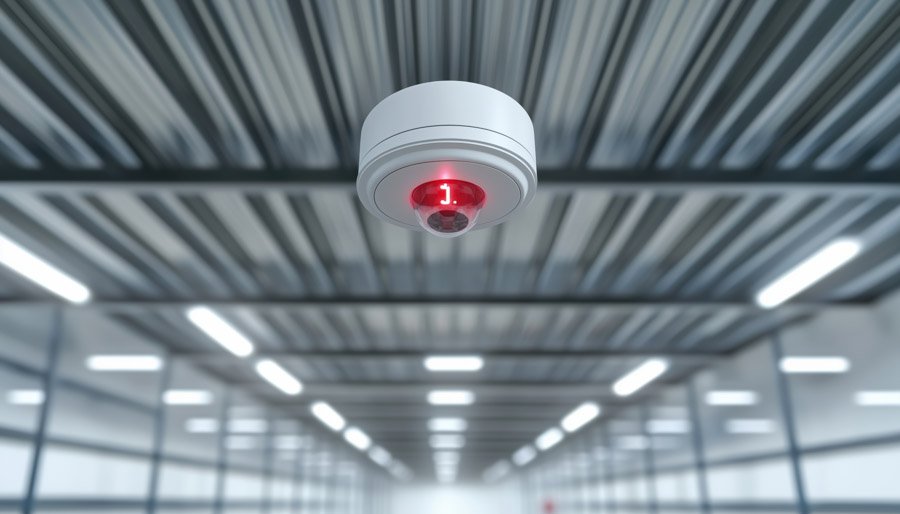
Fire Alarm Servicing
Regular inspection, testing, and maintenance of fire alarm systems to ensure they compliance.
Fire Door Surveys
Inspection of fire doors to ensure they are functioning correctly and meet safety standards.
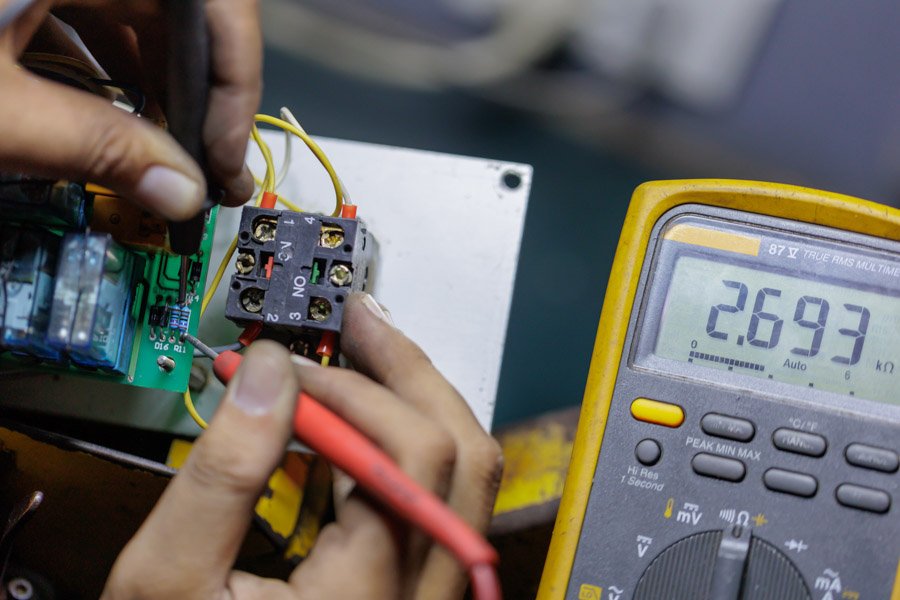
PAT Testing
PAT Testing (Portable Appliance Testing) ensures electrical appliances and equipment are safe to use.
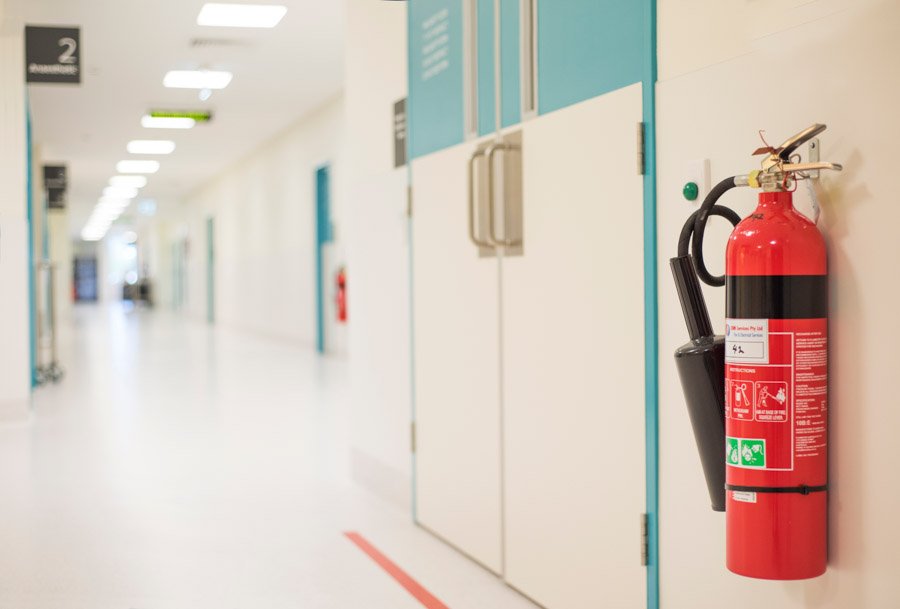
Fire Extinguisher
Installation, maintenance, and inspection of fire extinguishers to ensure they are compliant with fire safety regulations.
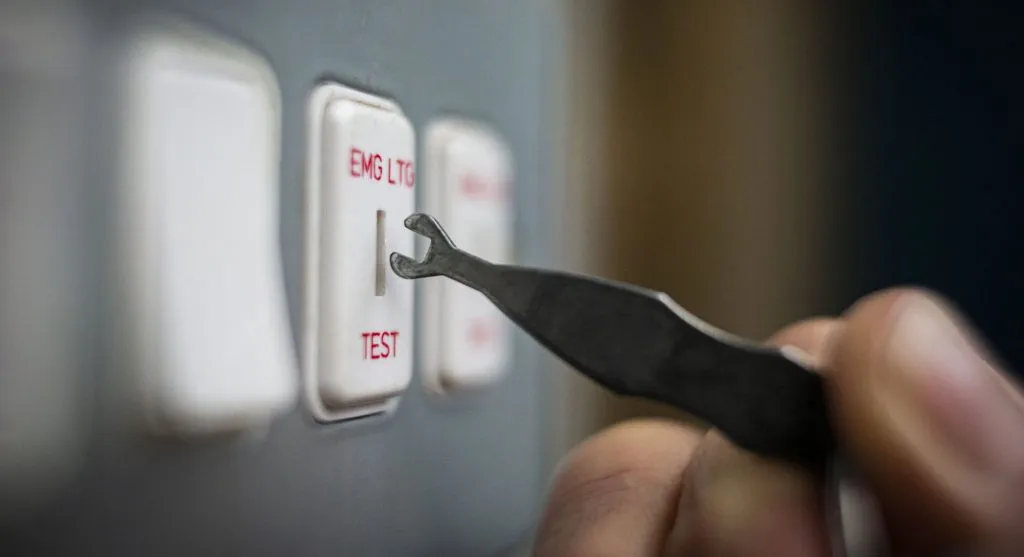
Emergency Testing
Emergency Light Testing ensures that emergency lighting systems are fully functional and compliant with safety regulations.
- Keeping Records: The Fire Log Book
Maintaining accurate records of fire extinguisher servicing is crucial for compliance and safety. A fire log book serves as a comprehensive record of all maintenance activities, inspections, and servicing performed on your fire safety equipment. This documentation is essential for demonstrating compliance with safety regulations during inspections.
Certified technicians provide detailed full documentation after each servicing, including compliance reports and certifications necessary for insurance purposes. Keeping these records in the fire log book ensures all maintenance activities are tracked and any issues identified during servicing are promptly addressed.
Extended Service Requirements for Fire Extinguishers
Extended servicing requirements vary depending on the extinguisher type. For example, CO₂ extinguishers must undergo refurbishment and hydraulic testing every 10 years to confirm the cylinder’s integrity under pressure, ensuring it can safely contain the pressurized gas and function effectively in an emergency.
Water, foam, and powder extinguishers require extended servicing every 5 years, involving discharging the extinguisher and checking for internal corrosion. Refilling and repressurizing often occur on-site, ensuring minimal downtime.
Regular extended servicing ensures fire extinguishers function correctly when needed, safeguarding lives and property by maintaining reliability and effectiveness. Compliance with these requirements also meets legal obligations and safety regulations.
Frequently Asked Questions
By understanding the importance of annual servicing, the role of the Responsible Person, and the benefits of hiring certified technicians, businesses can ensure that their fire safety equipment is always ready to function correctly in an emergency.